
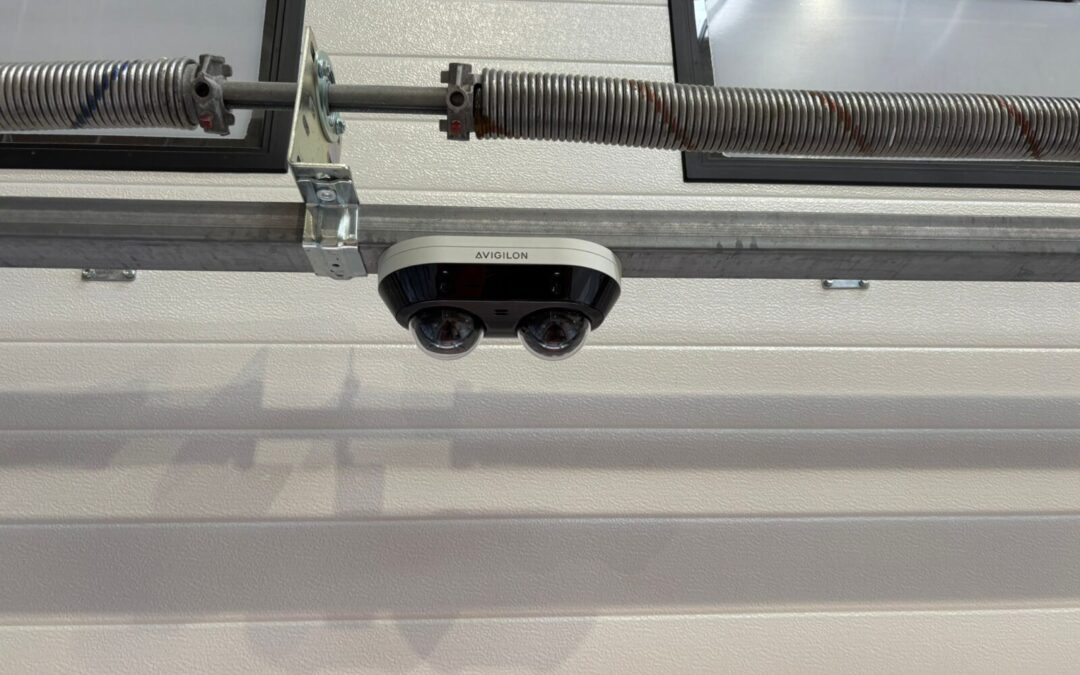
Installing the right CCTV system is a vital step in protecting commercial premises. Whether it is an office complex, manufacturing facility, retail space, or multi-site operation, the right solution not only deters crime but also provides clear evidence when incidents occur.
Modern CCTV technology offers a wide range of options, each with different strengths, and choosing the best fit requires a careful understanding of both operational needs and site-specific risks.
For many businesses, the decision is not simply about buying cameras. It involves selecting a system that integrates smoothly with existing security measures, supports day-to-day operations, and complies with legal requirements.
The process starts with a thorough assessment of your property’s unique vulnerabilities, which we will explore next.
Start with Your Security Needs
Before deciding on the type of CCTV system to install, it is important to have a clear picture of what you are protecting and why. In a commercial setting, security priorities can vary greatly depending on the nature of the business, the size of the premises, and the level of public access. For example, a warehouse might require wide-area monitoring to prevent unauthorised access to loading bays, while a corporate office may focus on safeguarding reception areas and sensitive workspaces.
Understanding these requirements at the outset helps ensure that any investment in CCTV directly supports your security strategy. It also avoids overspending on features that are unnecessary or overlooking critical coverage areas.
The next step in this process is to identify the most vulnerable points on your property and determine where monitoring is most needed.
Assessing Vulnerable Areas and Entry Points
A detailed review of your premises will highlight the areas where security risks are highest. This often includes main entrances, delivery bays, side doors, and any less visible access points. In commercial environments, rear service doors, fire exits, and staff-only entry routes can also be targeted if not monitored effectively. Car parks, outdoor storage areas, and perimeter boundaries should be considered too, especially if they provide potential access to the building.
Assessing these locations involves more than noting where they are. It is also about understanding patterns of use, such as high-traffic times or periods when the area is unattended.
This information ensures CCTV cameras can be positioned to capture the most relevant activity and provide evidence if an incident occurs. With these points mapped, you can move on to defining what you want your surveillance to achieve.
Setting Clear Surveillance Goals
Once the key risk areas are identified, the next step is to establish what you expect your CCTV system to deliver. Goals can range from deterring opportunistic theft to monitoring high-value stock or ensuring staff and visitor safety. For some businesses, the priority may be capturing high-resolution footage for incident investigation, while others may require real-time monitoring to respond quickly to suspicious activity.
Defining these objectives early helps guide every decision that follows, from the choice of camera technology to the recording method and storage capacity. It also ensures the system is tailored to operational needs rather than being a generic solution.
How To Choose the Right CCTV Technology
Selecting the right CCTV technology is about matching system capabilities to the specific demands of your site. Commercial properties often require more robust solutions than domestic settings, with features designed to handle larger areas, multiple access points, and a variety of lighting conditions. Factors such as image clarity, data transmission, and integration with existing security infrastructure all influence the final choice.
By understanding the differences between camera types and system configurations, you can make informed decisions that align with both your security goals and your operational environment.
The first step is to look more closely at the main categories of CCTV systems and how they perform in a commercial setting.
Analogue, IP, and Hybrid Systems Explained
Analogue CCTV systems use traditional cabling to transmit video to a digital video recorder, making them a straightforward and often cost-effective choice for smaller sites or where an existing system is being upgraded. While the image quality is generally lower than more modern options, they remain reliable for basic monitoring.
IP (Internet Protocol) systems capture and transmit footage over a network, offering higher resolution, greater flexibility in camera placement, and the ability to access live or recorded video remotely. These systems are well-suited to large or complex sites where detailed images and scalability are important.
Hybrid systems combine elements of both, allowing businesses to retain existing analogue infrastructure while adding IP cameras where higher performance is needed. This can be a practical option for phased upgrades without full system replacement. With the system type in mind, the next step is to decide whether a wired or wireless setup will best suit your property.
Wired vs Wireless CCTV – Which is Best for You?
Wired CCTV systems transmit footage through physical cabling, providing a stable connection and consistent video quality. They are particularly suited to larger commercial premises where long-term reliability is essential and interference needs to be minimised. The installation process is more involved, but once in place, these systems typically require less troubleshooting.
Wireless CCTV systems use Wi-Fi or other wireless signals to send footage, offering flexibility in camera placement and making them easier to install in locations where running cables is impractical. They can be effective for areas that need additional coverage without major installation work, although they may require more maintenance to ensure stable connectivity.
With the type of system and connection method selected, attention can now turn to the specific features that will ensure your CCTV meets operational needs and provides clear, actionable footage.
Key CCTV Features to Consider
A CCTV system needs to deliver more than basic video capture. The features you choose will determine how effective the system is in day-to-day operations and during security incidents. In busy environments such as warehouses, offices, and retail spaces, clarity, reliability, and ease of access to recorded footage are essential.
The right specifications will support quick identification of incidents, help with investigations, and provide evidence that stands up to scrutiny.
By focusing on features that directly support your surveillance goals, you can avoid paying for capabilities you do not need while ensuring critical performance requirements are met.
Resolution and Image Quality
In commercial environments, the ability to capture clear and detailed images can make a significant difference when reviewing incidents. Higher resolution cameras, such as those offering 1080p or 4K, provide sharper footage that makes identifying faces, licence plates, and small details far easier.
This level of clarity is particularly valuable in areas where security incidents are more likely or where high-value goods are stored.
While higher resolution requires more storage capacity, it also ensures that recorded footage remains useful even when digitally zoomed in. The choice of resolution should be guided by how the footage will be used, whether for real-time monitoring, post-incident investigation, or both.
After resolution, the next feature to consider is how well the system performs when lighting conditions are less than ideal.
Night Vision and Low-Light Performance
Many properties have most incidents outside standard daylight hours, making effective low-light surveillance essential. Cameras with infrared night vision can capture clear images in complete darkness, while advanced options such as smart IR automatically adjust brightness to prevent glare or overexposure. In settings where lighting varies, low-light or wide dynamic range (WDR) technology ensures footage remains clear even in areas with shadows or bright backlighting.
The quality of night-time footage is particularly important for external monitoring, as poor visibility can compromise security during periods when premises are unoccupied. Once lighting performance is addressed, the next consideration is how footage will be recorded and stored to ensure it remains secure and accessible when needed.
Conclusion
Choosing the right CCTV system for your commercial property is a process that involves assessing risks, setting clear objectives, and selecting technology that delivers reliable performance.
A well-designed system will provide effective coverage, capture clear evidence when needed, and integrate smoothly with your wider security measures. Professional installation ensures that equipment is positioned for maximum impact and configured to meet both operational and legal requirements.
Watchman Fire and Security has extensive experience in designing and installing CCTV systems for businesses across the UK. Our team can advise on the most suitable technology for your site, carry out a professional installation, and provide ongoing support to keep your system operating at its best.
To discuss your requirements and arrange a site survey, contact us today and take the next step in strengthening the security of your property.